Foundation Construction in Asheville, North Carolina
Reinforced Foundation Construction for Strong and Reliable Structural Support
A strong structure begins below ground. Every home, commercial building, or development project depends on a carefully engineered base capable of supporting the entire structure above it. At Arguetas Grading and Concrete LLC, foundation construction focuses on creating stable structural platforms that protect buildings from soil movement, moisture exposure, and long-term settlement. With more than 15 years of hands-on experience, we understand how proper soil preparation, reinforcement, and concrete placement contribute to dependable structural performance. Properly designed foundations distribute weight evenly, reduce structural stress, and ensure buildings remain level and secure for decades.
We serve Asheville, North Carolina, as well as the surrounding areas including Hendersonville, Weaverville, Black Mountain, and Arden. Properties throughout Buncombe County experience diverse terrain conditions ranging from mountainous slopes to clay-heavy soils and fluctuating moisture levels. These regional factors influence how foundations must be designed and installed. Construction throughout Western North Carolina requires careful grading, drainage planning, and reinforcement techniques that help buildings withstand seasonal rainfall, soil expansion, and shifting ground conditions common in the Blue Ridge region.
Foundation construction requires technical knowledge, precise execution, and durable materials that perform under continuous structural load. Our team approaches every project with attention to engineering principles, site conditions, and long-term performance. Reinforcement placement, proper curing methods, and accurate grading all contribute to a foundation capable of supporting residential homes, commercial facilities, and structural expansions. By combining careful preparation with proven construction practices, foundations become reliable structural anchors that protect property value, maintain building alignment, and ensure long-term stability for projects across Asheville and the surrounding mountain communities.
Contact us by calling 850-378-7847 today to schedule a professional service in Asheville, North Carolina!
Our Foundation Construction Services
Residential Foundation Installation
Residential foundation construction establishes the structural base for homes of all sizes. Careful excavation, grading, reinforcement placement, and concrete pouring ensure foundations support structural loads safely. Accurate leveling and curing processes create durable support systems that protect homes from settlement, moisture exposure, and shifting soil conditions.
Commercial Foundation Construction
Commercial buildings require foundations designed for heavier loads and long-term durability. Reinforced concrete systems distribute structural weight across larger footprints while supporting complex structural frameworks. Professional construction ensures office buildings, warehouses, and retail facilities maintain stability despite constant operational stresses and environmental exposure.
Slab-on-Grade Foundations
Slab-on-grade construction provides a stable, low-maintenance foundation system for many structures. Carefully prepared soil, moisture barriers, and reinforced concrete slabs create durable support surfaces that integrate flooring and foundation into a single structural element designed to resist cracking and ground movement.
Footing and Structural Base Installation
Footings form the base that supports foundation walls and structural columns. Properly designed footings distribute weight across stable soil layers, preventing uneven settlement. Reinforcement and careful placement ensure the entire structure above remains balanced, supported, and resistant to long-term structural stress.
Reinforced Concrete Foundation Systems
Reinforced concrete foundations combine structural steel reinforcement with durable concrete mixtures to create high-strength support systems. This approach improves resistance to cracking, pressure, and environmental stress. Reinforcement allows foundations to maintain structural integrity even under significant load conditions or ground movement.
Foundation Site Preparation and Grading
Preparation plays a critical role in foundation performance. Excavation, soil compaction, and grading create stable ground conditions before construction begins. Proper site preparation ensures foundations rest on stable soil layers capable of supporting structural loads without settlement or instability over time.
Benefits of Professional Foundation Construction
Long-Term Structural Stability
A professionally constructed foundation distributes structural weight evenly across the ground, reducing stress on framing, walls, and floors. Reinforced concrete and proper soil preparation prevent shifting, settlement, and uneven support, allowing buildings to maintain alignment and structural balance for decades while protecting overall architectural integrity.
Protection Against Soil Movement
Soil expansion, contraction, and moisture variation can cause structural instability when foundations are poorly designed. Proper reinforcement, compaction, and grading reduce the effects of ground movement, ensuring buildings remain secure despite changing environmental conditions and seasonal shifts in moisture levels or temperature fluctuations.
Improved Load Distribution
Foundations transfer the weight of a structure safely into the ground. Properly engineered systems prevent concentrated pressure points that could lead to cracks or structural damage. Balanced load distribution ensures that walls, beams, and structural components perform correctly under long-term building loads.
Resistance to Moisture Intrusion
Water infiltration beneath a structure can weaken soil and compromise stability. Professional foundation construction incorporates drainage planning, moisture barriers, and correct elevation placement. These protective measures reduce the risk of water damage, mold development, and structural deterioration caused by prolonged exposure to moisture.
Enhanced Building Longevity
The durability of a structure is closely tied to the quality of its foundation. Strong foundations resist cracking, settlement, and environmental stress, allowing buildings to perform reliably over time. Careful design and reinforcement help extend the lifespan of the entire structure while minimizing future repair requirements.
Structural Support for Future Expansion
Well-constructed foundations provide the strength necessary for future structural additions or renovations. Proper reinforcement and planning allow buildings to accommodate additional loads without compromising stability. This flexibility supports property development while maintaining the integrity of the original construction.
Building Solid Foundations That Support Structures for Decades
A dependable building begins with a dependable base. At Arguetas Grading and Concrete LLC in Asheville, North Carolina, foundation construction represents the first and most important step in creating stable structures capable of lasting for generations. Careful soil preparation, reinforced concrete installation, and precise grading practices transform raw ground into a structural platform that supports residential homes, commercial facilities, and property developments throughout Asheville and nearby communities including Hendersonville, Weaverville, Black Mountain,
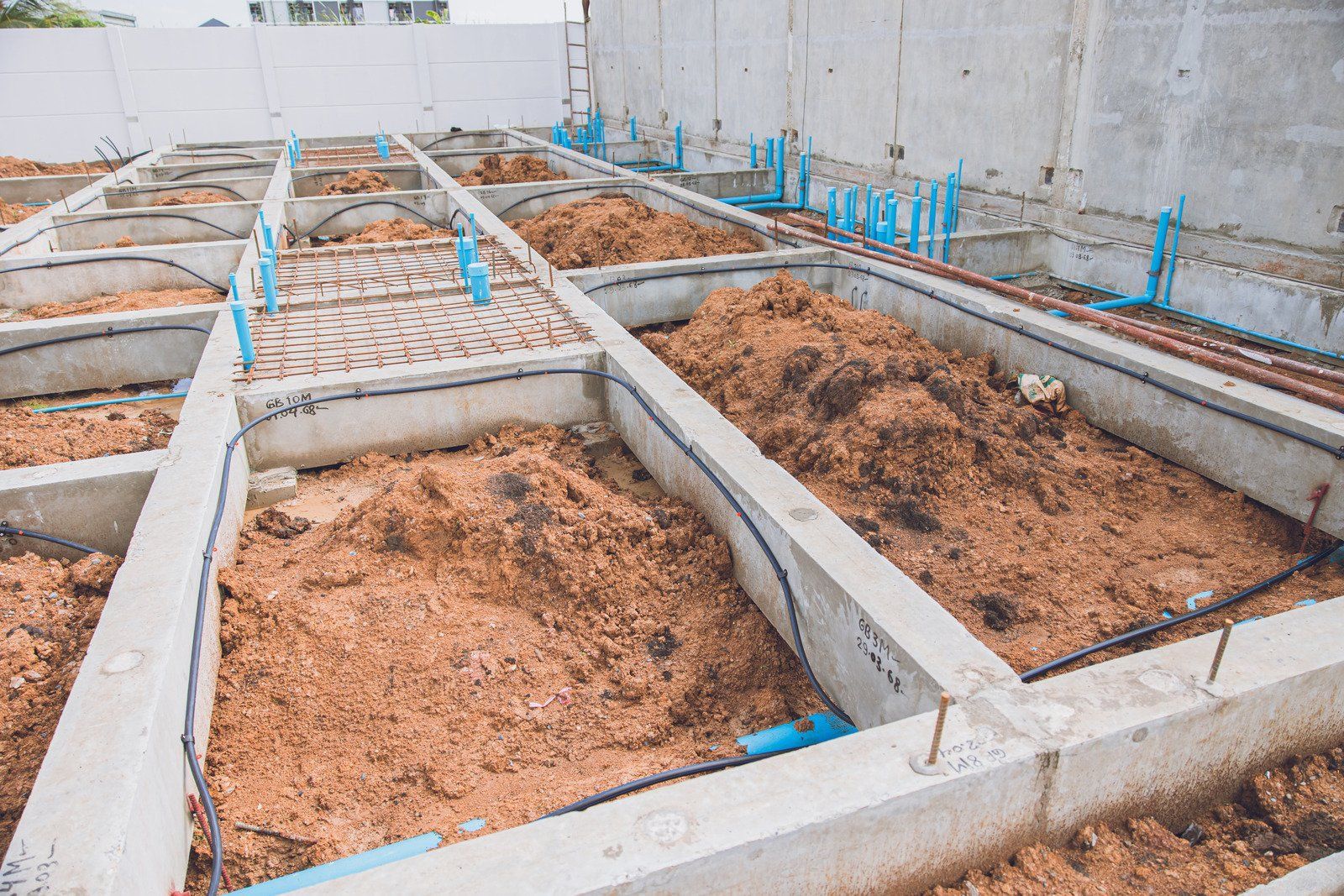
and Arden. Every foundation must withstand environmental conditions, structural loads, and the passage of time without compromising stability. When foundations are built with attention to engineering principles and construction accuracy, buildings remain level, secure, and protected from structural stress. Thoughtful planning and proper reinforcement ensure the structure above performs exactly as intended while preserving long-term property value.
client testimonials
Read Reviews From Happy Customers
Frequently Asked Questions
Why is foundation construction important for buildings?
Foundation construction provides the structural base that supports the entire building. It distributes weight into the soil and prevents settlement, shifting, or structural stress. Properly built foundations protect the alignment of walls, floors, and roofing systems while ensuring long-term stability for residential, commercial, and industrial structures over many years.
How long does foundation construction typically take?
Construction timelines vary depending on soil conditions, project size, and weather. Smaller residential foundations may take several days to complete, while larger structural foundations require more time for excavation, reinforcement placement, concrete curing, and inspection. Proper curing and preparation are essential for long-term structural strength.
What factors influence the design of a foundation?
Foundation design depends on soil composition, building weight, drainage patterns, and environmental conditions. Engineers evaluate ground stability, moisture levels, and load requirements before construction begins. Proper design ensures foundations can withstand structural pressure while maintaining stability despite changing environmental conditions and seasonal soil movement.
What types of foundations are commonly used for buildings?
Common foundation types include slab-on-grade systems, crawl space foundations, and full basement foundations. Each design serves different structural and environmental needs. Factors such as soil conditions, drainage patterns, and building size determine which foundation system provides the most reliable support for the structure above.