Septic Services in Asheville, North Carolina
Protecting Property Health with Professional Wastewater System Care
Septic systems quietly perform one of the most essential roles on any property, managing wastewater safely beneath the surface while protecting both buildings and the surrounding environment. When properly installed and maintained, these systems provide dependable performance for decades. Arguetas Grading and Concrete LLC approaches septic services with careful planning, technical precision, and practical field experience built over more than 15 years in construction and site preparation. Our work focuses on building and maintaining systems that support healthy drainage, efficient waste treatment, and long-term reliability for residential and commercial properties.
We serve Asheville, North Carolina, as well as the surrounding areas including Hendersonville, Weaverville, Black Mountain, and Candler. Properties across Buncombe County often rely on septic systems because many homes and developments sit outside municipal sewer networks. Western North Carolina’s mountainous terrain, varied soil conditions, and seasonal rainfall patterns make professional septic planning especially important. Proper excavation, drainage planning, and soil assessment ensure systems function effectively despite the region’s clay soils, sloped landscapes, and changing weather conditions.
A septic system is far more than a buried tank. It is an engineered wastewater solution that depends on careful installation, proper grading, and consistent maintenance to function correctly. Our team focuses on building systems that integrate smoothly with surrounding landscapes while protecting groundwater and property foundations. From new system installation to repairs and inspections, septic services help homeowners and property managers avoid unexpected failures while preserving safe, sanitary wastewater management for years ahead.
Contact us by calling 850-378-7847 today to schedule a professional service in Asheville, North Carolina!
Our Septic Services
Septic System Installation
Septic system installation begins with careful planning that evaluates soil composition, drainage characteristics, and property layout. Proper excavation, tank placement, and drain field construction create a system capable of managing household wastewater safely while maintaining balanced filtration and long-term structural reliability beneath the ground.
Septic Tank Replacement
Over time, septic tanks can deteriorate due to age, corrosion, or structural damage. Replacement services involve removing failing tanks and installing durable new systems that meet modern construction standards. Proper installation restores safe wastewater management while improving long-term performance and environmental protection.
Drain Field Installation
Drain fields play a crucial role in wastewater filtration by dispersing treated water through surrounding soil. Professional installation ensures trenches, piping, and soil preparation are carefully engineered to promote proper absorption, preventing pooling, system overload, and long-term drainage problems beneath the property.
Septic System Inspection
Routine inspections evaluate the condition of tanks, piping, and drain fields to ensure the system continues functioning correctly. Professional inspections identify structural wear, blockages, and drainage problems early, allowing property owners to address maintenance needs before they escalate into costly repairs.
Septic System Repairs
When septic systems develop leaks, blockages, or structural damage, repair services restore system performance without requiring full replacement. Repairs may involve replacing damaged components, correcting drainage issues, or reinforcing structural elements to maintain safe and reliable wastewater treatment beneath the property.
Site Preparation and Excavation for Septic Systems
Successful septic installations rely heavily on proper site preparation. Excavation services prepare the land by creating stable foundations for tanks and drain fields while ensuring correct grading, drainage patterns, and soil conditions that support safe wastewater treatment and long-term system stability.
Benefits of Professional Septic Services
Long-Term System Reliability
Professional septic services ensure systems are designed, installed, and maintained according to engineering standards that promote long-term reliability. Proper excavation, tank placement, and drainage design prevent premature failure while supporting efficient wastewater treatment and distribution, allowing septic systems to function consistently for many years with minimal unexpected complications.
Protection of Groundwater and Soil Health
A properly functioning septic system plays a critical role in protecting local groundwater supplies and surrounding soil conditions. Professional service ensures wastewater is filtered and dispersed safely through drain fields, preventing contamination that could affect drinking water wells, nearby streams, or environmentally sensitive landscapes.
Reduced Risk of Costly System Failures
Routine septic inspections and maintenance help identify developing issues before they turn into major repairs. Addressing minor problems early—such as blockages, drain field stress, or tank buildup—can prevent full system failures that often require expensive excavation and replacement of underground components.
Improved Wastewater Treatment Efficiency
Septic systems rely on balanced bacterial activity and effective drainage to break down wastewater naturally. Professional installation and maintenance support this biological process by maintaining proper tank levels, drain field function, and soil filtration capacity, ensuring wastewater is treated effectively before returning safely to the ground.
Protection of Property Value
Homes and commercial buildings with properly maintained septic systems often maintain stronger property value. Buyers and inspectors prioritize properties where wastewater systems are documented, professionally installed, and regularly maintained, helping prevent concerns about hidden underground infrastructure problems during property transactions.
Compliance with Local Environmental Regulations
Local regulations often require septic systems to meet specific environmental and construction standards. Professional septic services ensure installations and repairs follow county and state guidelines, helping property owners avoid compliance issues while protecting public health and environmental safety through responsible wastewater management.
Safe Septic Installation Supporting Long-Term Property Functionality
Wastewater management is one of the most important yet often overlooked aspects of property infrastructure. A dependable septic system protects groundwater, preserves soil health, and supports safe living and working environments across residential and commercial properties. Arguetas Grading and Concrete LLC in Asheville, North Carolina brings more than 15 years of construction experience to septic services, combining excavation knowledge, drainage planning, and structural expertise to deliver systems built for long-term reliability.
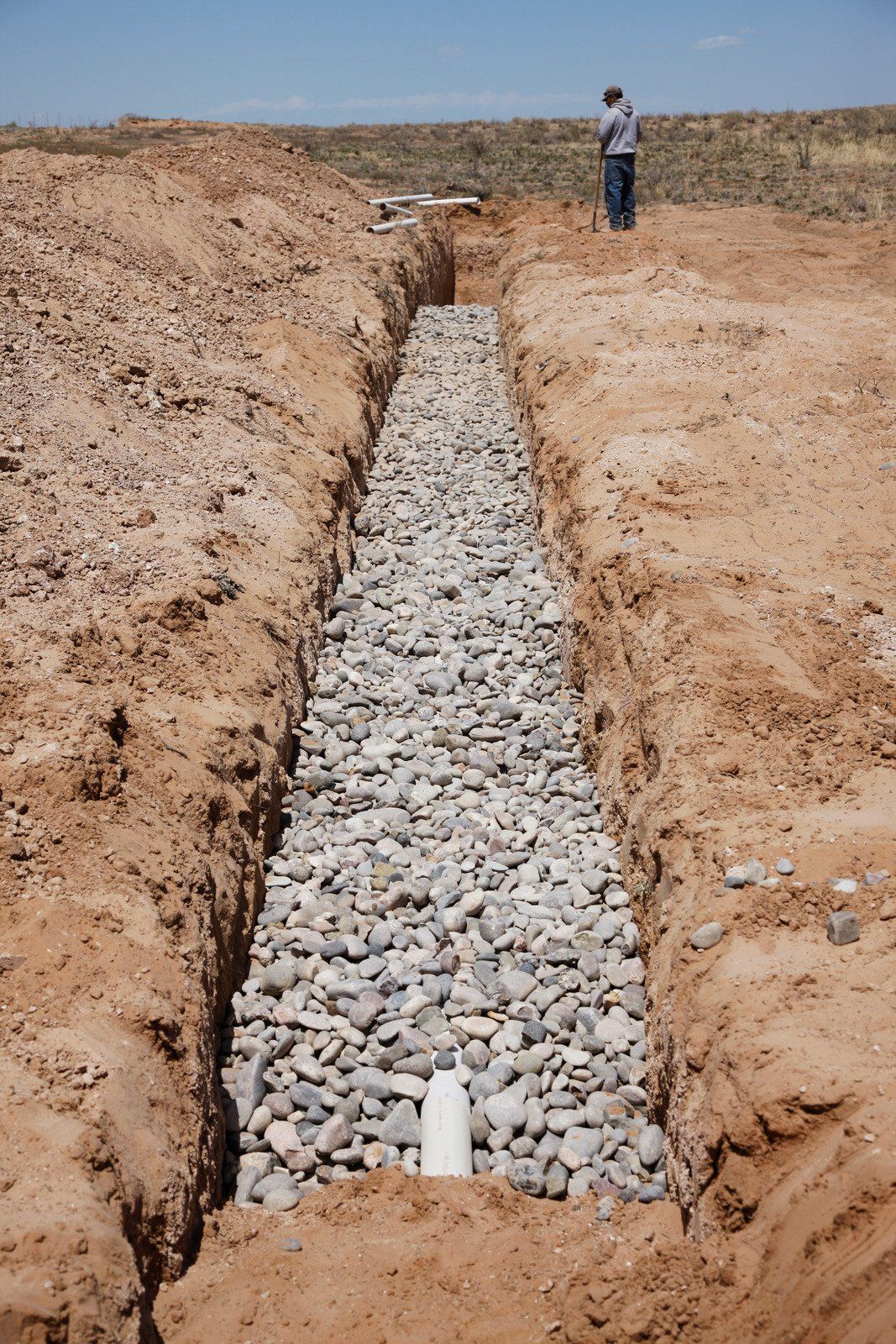
Our approach emphasizes careful site evaluation, precise installation, and proactive maintenance that keeps wastewater treatment functioning safely beneath the surface. Properties across Asheville and nearby communities including Hendersonville, Weaverville, Black Mountain, and Arden face environmental conditions such as sloped terrain, clay-heavy soils, and seasonal rainfall patterns. Proper septic planning ensures systems operate effectively while protecting surrounding land and water resources.
client testimonials
Read Reviews From Happy Customers
Frequently Asked Questions
How often should a septic system be inspected?
Most septic systems benefit from inspection every three to five years depending on usage, household size, and system design. Regular inspections allow professionals to evaluate tank levels, drainage performance, and structural conditions. Early detection of potential issues helps maintain efficient wastewater treatment while preventing costly repairs or system failures.
What are common signs of septic system problems?
Several warning signs can indicate septic system trouble. Slow drains, sewage odors, soggy areas near the drain field, or gurgling plumbing sounds often signal system stress or blockage. Addressing these issues quickly helps prevent wastewater backups, property damage, and contamination that could affect soil and groundwater quality.
How long does a septic system typically last?
A properly installed septic system can last twenty to forty years depending on construction quality, soil conditions, and maintenance practices. Tanks, piping, and drain fields all contribute to overall lifespan. Regular inspections, pumping, and responsible water usage help extend the working life of underground wastewater systems.
Can heavy rainfall affect septic system performance?
Yes, extended rainfall can temporarily saturate the soil around a drain field, slowing wastewater absorption. When the surrounding ground becomes overly wet, systems may drain more slowly. Proper installation, grading, and drainage planning help reduce these effects and keep systems functioning even during wetter seasons.