Retaining Walls Service in Asheville, North Carolina
Professional Retaining Wall Construction Designed for Lasting Performance
Land rarely sits perfectly level, especially across the rolling hills and mountain terrain of Western North Carolina. Elevation changes shape the character of many properties, but they also introduce structural challenges that require thoughtful engineering. At Arguetas Grading and Concrete LLC, retaining walls are built to manage these challenges while strengthening both the functionality and appearance of outdoor spaces. With more than 15 years of hands-on field experience, our work focuses on combining structural reliability with careful site planning. Every wall is designed with soil pressure, drainage management, and long-term stability in mind.
We serve Asheville, North Carolina, as well as the surrounding areas, including Hendersonville, Waynesville, and Canton. Across Buncombe County and neighboring mountain communities, properties frequently feature sloped terrain, elevation changes, and soil conditions that require structural reinforcement. Retaining walls help properties adapt to these natural conditions by stabilizing hillsides and creating level ground where structures, landscaping, or walkways can be safely built. Western North Carolina’s seasonal rainfall and shifting soil conditions make drainage planning especially important. Well-constructed retaining walls protect properties from erosion while helping manage water flow across the landscape.
Retaining walls require more than stacked materials or surface-level construction. Each project begins with evaluating slope angles, soil composition, and water movement patterns that affect long-term stability. Careful planning ensures the wall supports both the weight of the surrounding soil and the environmental conditions that influence performance over time. When retaining walls are designed and built correctly, they become lasting structural features that reinforce landscapes while helping properties remain stable, functional, and visually organized for years ahead.
Contact us by calling 850-378-7847 today to schedule a professional service in Asheville, North Carolina!
Our Retaining Wall Services
Concrete Retaining Wall Construction
Concrete retaining walls provide durable structural support capable of holding significant soil pressure. Reinforced concrete installation creates a solid barrier that stabilizes sloped terrain while maintaining long-term strength. These walls support landscapes, improve drainage control, and create reliable structures capable of performing under demanding environmental conditions.
Block Retaining Wall Installation
Block retaining walls combine structural performance with flexible design options. Interlocking blocks form stable structures that manage soil pressure while allowing creative landscape layouts. Proper installation ensures stability, effective drainage, and long-lasting performance that helps maintain organized outdoor spaces and structurally supported land elevations.
Drainage-Integrated Retaining Walls
Drainage-integrated retaining walls are designed with built-in systems that redirect water away from the wall structure. Gravel backfill, drainage piping, and carefully engineered outlets help reduce water pressure behind the wall, ensuring long-term durability while protecting soil stability and surrounding property features.
Hillside Retaining Wall Stabilization
Hillside retaining walls reinforce steep slopes that require structural support to prevent erosion and soil movement. These installations secure sloped terrain while creating stable ground for landscaping or construction. Reinforcement techniques ensure the wall withstands both environmental conditions and long-term soil pressure.
Landscape Retaining Walls
Landscape retaining walls provide structural support while enhancing the design of outdoor spaces. These walls create tiered garden areas, defined landscaping zones, and improved property organization. By stabilizing soil and shaping terrain, they allow landscaping projects to develop on otherwise uneven ground.
Retaining Wall Repair and Reinforcement
Existing retaining walls sometimes require reinforcement or structural repairs to restore stability. Repair work addresses shifting soil, drainage issues, or surface deterioration that can affect wall performance. Strengthening these structures helps extend their lifespan while maintaining safe support for surrounding soil and landscapes.
Benefits of Retaining Walls
Soil Erosion Control
Retaining walls stabilize soil on sloped landscapes by holding earth securely in place. This support prevents soil movement caused by rainfall or surface runoff, protecting landscaping, foundations, and outdoor structures while preserving the integrity of the surrounding terrain for long-term property stability and environmental protection.
Improved Drainage Management
Properly engineered retaining walls incorporate drainage systems that direct water away from structures and landscape areas. These drainage pathways help prevent water buildup behind the wall, reducing pressure on structural materials while protecting surrounding soil from erosion and improving overall property water management.
Increased Usable Land
Sloped terrain often limits how much of a property can be safely used. Retaining walls create level surfaces by holding back soil and reshaping elevation changes. This process transforms uneven ground into practical space suitable for patios, landscaping, pathways, and structural improvements.
Long-Term Structural Support
Retaining walls reinforce land stability by resisting the pressure created by surrounding soil. Strong construction techniques and durable materials allow these structures to support slopes effectively, helping protect nearby foundations, driveways, and outdoor installations from shifting terrain or structural instability.
Enhanced Landscape Organization
Retaining walls define outdoor spaces by separating elevation levels and structuring landscapes more effectively. This organization improves both appearance and functionality, allowing property owners to design tiered gardens, pathways, or outdoor areas while maintaining a balanced and visually appealing environment.
Increased Property Durability
By controlling soil movement and water flow, retaining walls contribute to the long-term durability of surrounding structures and landscaping. Stabilized terrain reduces risks of erosion, ground shifting, and drainage damage, helping protect the property from structural problems that could develop over time.
Durable Wall Construction Supporting Land Stability and Drainage
Retaining walls play an essential role in shaping landscapes that remain stable despite changing terrain and environmental conditions. At Arguetas Grading and Concrete LLC in Asheville, North Carolina, years of experience working across Western North Carolina’s varied topography guide every retaining wall project from planning through construction. Sloped properties, shifting soils, and seasonal rainfall require solutions that balance engineering strength with careful site preparation. By combining structural design, durable materials, and precise installation techniques,
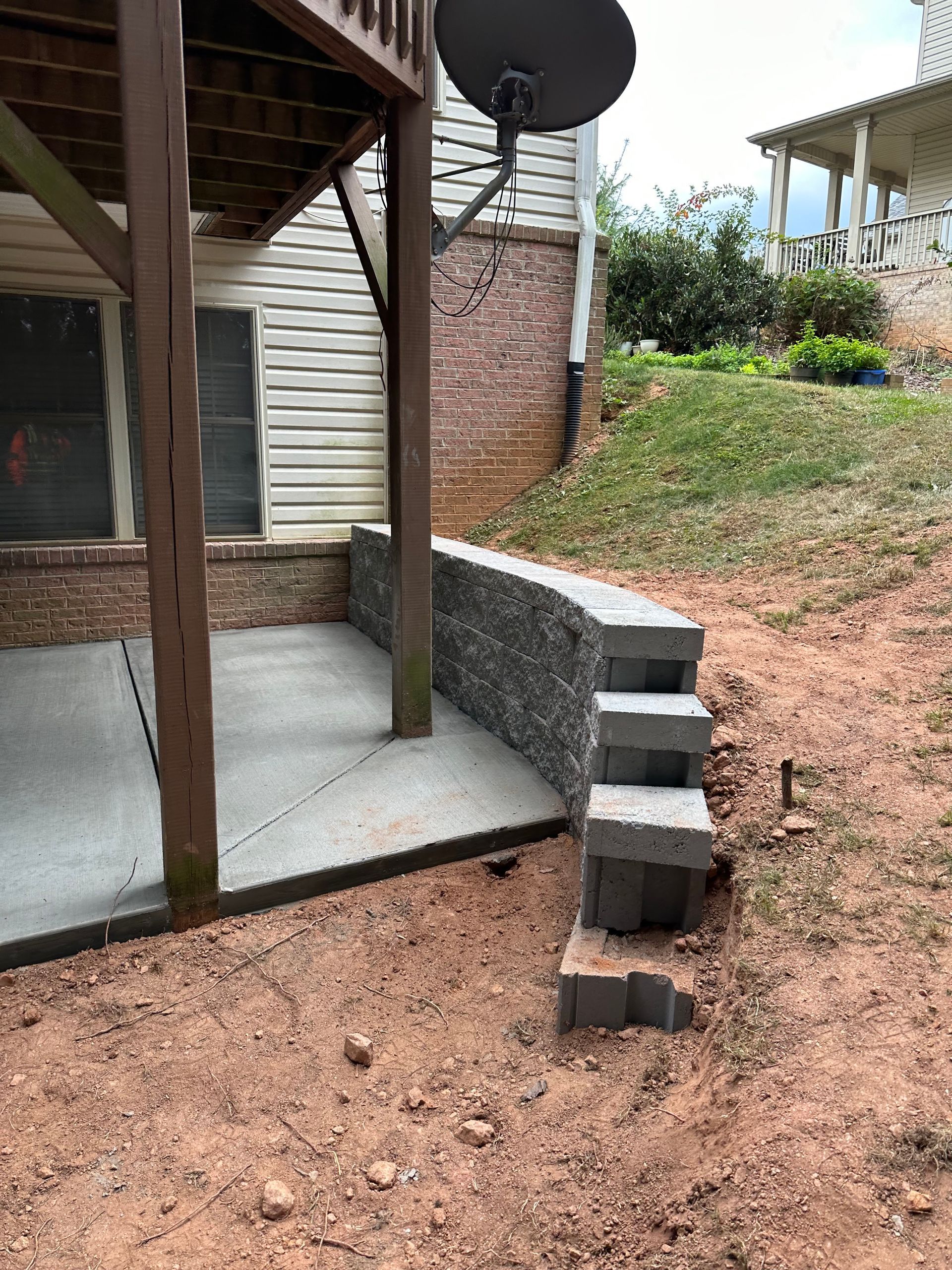
retaining walls provide reliable soil support while improving how land can be used and maintained. When retaining walls are installed with proper planning and craftsmanship, they become lasting features that protect landscapes and strengthen property foundations for decades of reliable performance.
client testimonials
Read Reviews From Happy Customers
Frequently Asked Questions
What is the main purpose of a retaining wall?
Retaining walls hold soil in place on sloped or uneven terrain. By supporting earth pressure and controlling water drainage, these structures help prevent soil erosion, stabilize landscapes, and create usable outdoor space. Properly designed retaining walls improve both structural safety and landscape functionality for residential and commercial properties.
How long do retaining walls typically last?
The lifespan of a retaining wall depends on materials, soil conditions, drainage design, and installation quality. Concrete and reinforced block retaining walls often last decades when built correctly. Proper drainage systems and regular inspection help ensure the structure maintains its strength and stability over time.
Do retaining walls help prevent erosion?
Yes. Retaining walls stabilize soil by holding earth securely in place. This reduces erosion caused by rainfall, runoff, or gravity on sloped properties. By controlling soil movement and supporting surrounding terrain, retaining walls help protect landscaping, foundations, and outdoor structures from long-term damage.
Can retaining walls improve landscape design?
Retaining walls allow landscapes to be organized into multiple elevation levels, creating opportunities for terraces, gardens, walkways, and patios. These structural features help transform uneven terrain into visually appealing outdoor environments while maintaining soil stability and improving property functionality.